










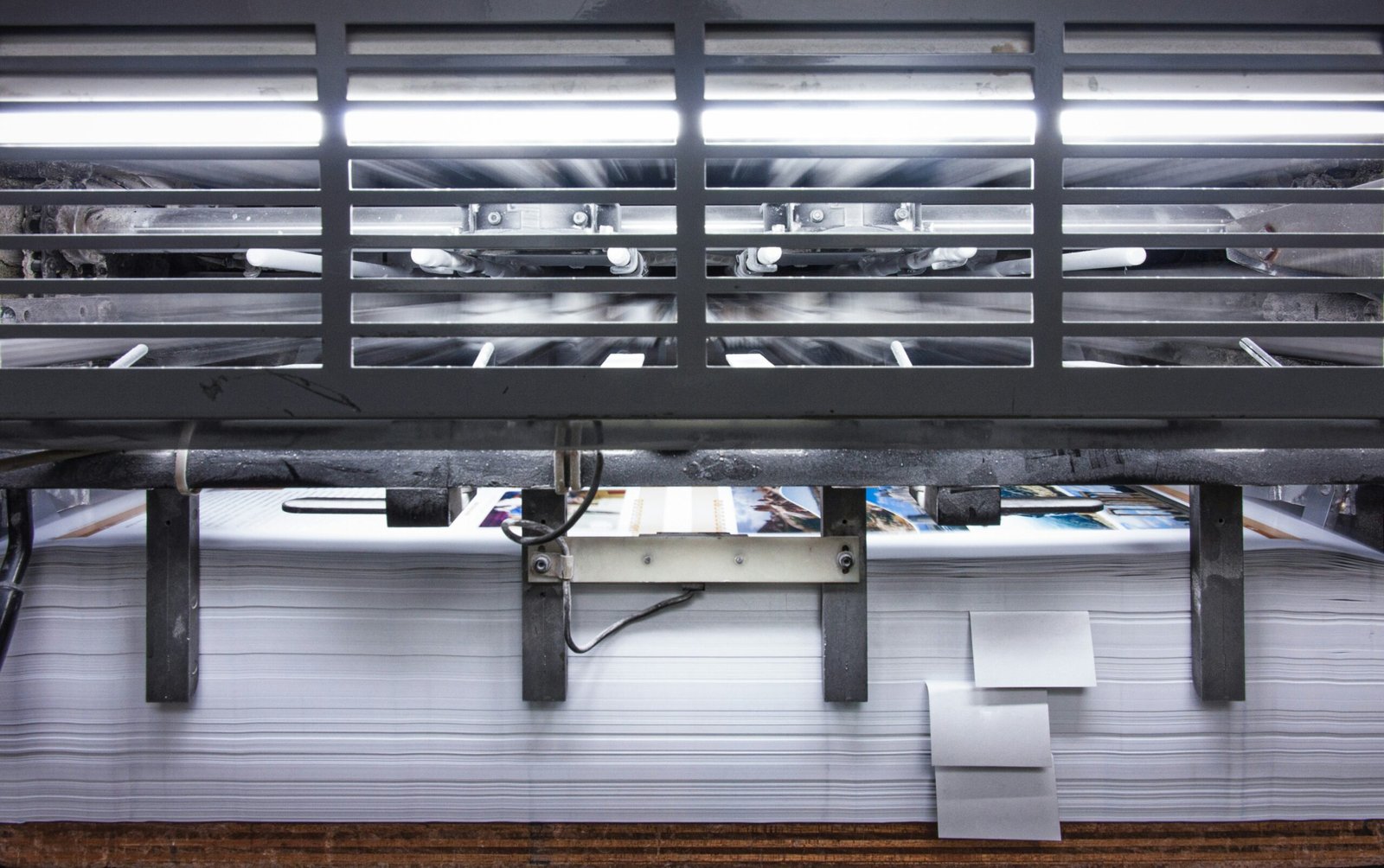
Introduction to the Printing Industry Landscape
The global printing industry plays a pivotal role in various sectors, serving as an essential medium for communication, information dissemination, and marketing. As businesses and consumers increasingly rely on printed materials, the significance of this industry continues to evolve. The landscape of the printing industry is characterized by a remarkable diversity of technologies and applications, which cater to the unique needs of different markets. From traditional print media, such as newspapers and books, to advanced digital solutions, the sector showcases a blend of innovation and tradition.
One of the most notable trends within the printing industry is the ongoing shift towards digital solutions. Digital printing technologies have revolutionized the way products are produced, enabling faster turnaround times, greater customization, and improved cost efficiency. This transition is especially evident in sectors like packaging, where businesses require flexible printing options to meet consumer demand. Moreover, digital printing allows for shorter print runs, facilitating a more sustainable approach to production by reducing waste.
Alongside digital advancements, traditional methodologies, such as offset and flexographic printing, maintain their relevance in specific applications. These techniques continue to thrive in high-volume printing needs, where quality and consistency are paramount. Nevertheless, the integration of technologies like 3D printing is beginning to make its mark, expanding the scope of applications to include prototyping and manufacturing.
Understanding the complexities of the current printing industry is essential for grasping the trends that shape its future. As we delve deeper into the analysis of these contemporary trends, it becomes clear that the print industry is not merely adapting to changing technologies; it is actively influencing markets by offering innovative solutions tailored to meet a wide range of consumer and business needs.
Emerging Trends Influencing the Printing Market
The printing industry is experiencing significant transformation driven by several emerging trends that have been highlighted in recent surveys and studies. One of the most notable trends is the shift towards digital printing. This transition allows businesses to enhance efficiency, reduce production times, and cater to smaller, more customized orders. According to industry surveys, digital printing is projected to grow substantially, accounting for a larger share of total print production in the coming years.
Sustainability is another critical trend shaping the future of the printing market. Companies are increasingly adopting environmentally friendly practices, such as utilizing recycled materials and sustainable inks. Recent studies indicate that consumers express a strong preference for brands that demonstrate a commitment to sustainability, pushing print service providers to align their operations with green initiatives. These practices not only appeal to environmentally conscious consumers but also contribute to significant cost savings by minimizing waste.
The rise of personalized printing solutions represents another influential trend in the industry. Surveys reveal that consumers are increasingly favoring tailored products that reflect their individual preferences and identities. Businesses are responding by implementing on-demand printing and using data analytics to create personalized marketing materials that cater specifically to their target audience. This demand for customization is driving innovations in the printing process, leading to more agile and responsive print services.
Lastly, advancements in printing technology are reshaping how products are created and delivered. Innovations such as 3D printing, augmented reality, and high-speed digital presses are expanding the possibilities for print applications. These technologies improve the quality and versatility of printed materials and reduce costs for manufacturers, enabling them to remain competitive in a rapidly evolving market. Overall, these trends highlight the dynamic nature of the printing industry and its ability to adapt to changing consumer demands and technological advancements.
Challenges Facing the Global Printing Industry
The global printing industry is currently confronted with a myriad of challenges that significantly affect its operations and sustainability. One of the most pressing concerns is the increasing competition posed by digital media. As consumers increasingly gravitate toward digital content, traditional print media is experiencing a decline in demand, which consequently pressures printing businesses to innovate or adapt to changing market dynamics. This digital shift requires companies to reevaluate their service offerings and explore avenues for differentiation in an era where instant access to information prevails.
Additionally, the fluctuation in the cost of raw materials poses another substantial challenge to printing firms. The prices of paper, inks, and other essential supplies can be volatile, influenced by factors such as global supply chain disruptions and geopolitical tensions. These fluctuations can lead to increased production costs, compelling companies to either absorb the costs and decrease their profit margins or pass them on to customers, potentially reducing their competitiveness in the market.
Environmental regulations also add to the complexities faced by the printing industry. As regulatory scrutiny intensifies, businesses are increasingly required to implement sustainable practices that may involve significant capital investment. This commitment not only entails sourcing eco-friendly materials but also necessitates adapting production processes to reduce waste and comply with stringent emission standards. These environmental challenges, while promoting responsible practices, can impose financial burdens on businesses that may already be struggling with declining revenues.
To mitigate these challenges, companies within the printing sector might pursue various strategic approaches. Embracing technological advancements such as automated workflows and digital printing can enhance efficiency and reduce labor costs. Additionally, diversifying service portfolios, investing in sustainability initiatives, and focusing on niche markets may allow businesses to remain profitable amidst the prevailing uncertainties. The evolution of the printing landscape calls for resilience and creativity in overcoming these challenges, ensuring long-term viability in a competitive marketplace.
Future Predictions and Opportunities for Growth
The printing industry is poised for a transformative phase as it adapts to evolving market needs and technological advancements. Based on recent survey findings and expert analyses, an optimistic outlook is evident for the future of printing. One of the key trends is the shift towards digital printing technologies, which has gained traction due to its versatility, cost-effectiveness, and reduced turnaround times. This growth indicates an opportunity for businesses to expand their service offerings, catering to a wider variety of customer demands.
Moreover, sustainability is becoming increasingly pivotal in the industry. With a growing emphasis on environmental responsibility, printing companies have the chance to invest in eco-friendly materials and processes. Implementing sustainable practices not only enhances brand reputation but also attracts environmentally conscious consumers, presenting a valuable competitive advantage. Innovations such as water-based inks and recyclable substrates are gaining prominence, aligning with global sustainability goals.
Furthermore, the integration of technology, particularly artificial intelligence and automation, is anticipated to streamline operations significantly. Companies can leverage data-driven insights to optimize production processes, leading to increased efficiency and cost reductions. As a result, businesses that embrace these advancements stand to gain a larger market share. The rise of augmented reality (AR) and virtual reality (VR) is also creating new avenues for print marketing, allowing stakeholders to engage with consumers in innovative ways.
In this evolving landscape, collaborations between traditional printing firms and tech startups can yield groundbreaking solutions, further enhancing productivity and customer engagement. Ultimately, stakeholder investment in research and development, coupled with agility in responding to market shifts, will be critical for achieving sustained growth. As these opportunities unfold, the printing industry is likely to evolve into a more dynamic and diversified sector, ripe with potential for those willing to adapt and innovate.
