










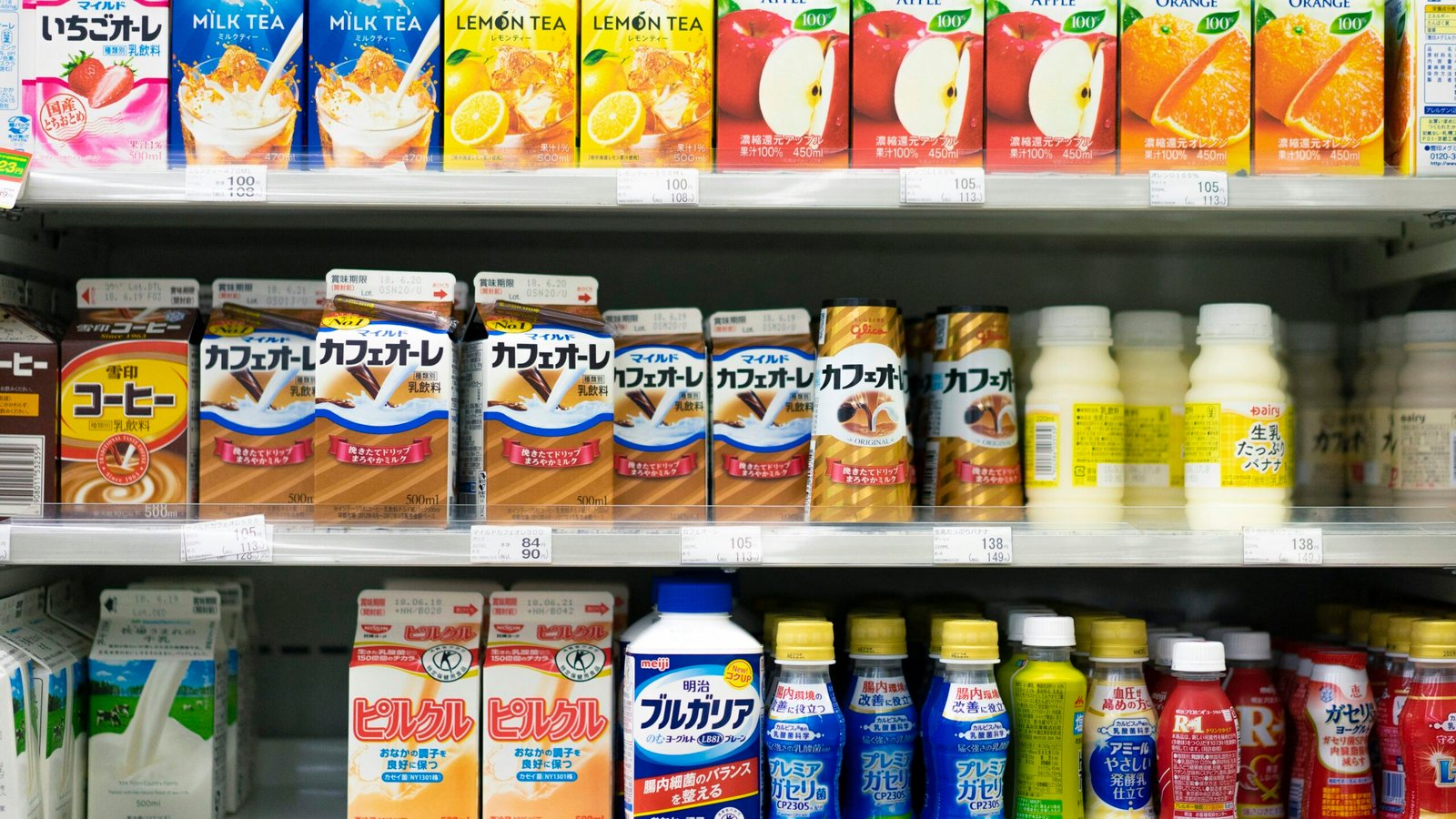
The Rise of Healthy Drinks in Today’s Market
In recent years, there has been a significant shift in consumer preferences towards healthy drinks, reflecting broader trends in health consciousness and wellness. This shift has manifested in the burgeoning market for beverages such as juices, smoothies, herbal teas, and functional drinks tailored to meet specific health needs. The increasing demand for healthy drinks underscores a societal move towards a more proactive approach to personal health and nutrition.
Statistical data highlights that the global healthy drinks market is projected to achieve substantial growth, with an estimated compound annual growth rate (CAGR) significantly outpacing that of traditional sugary beverages. This upswing can be attributed to various factors, including rising levels of consumer awareness surrounding health issues, dietary needs, and a preference for organic and natural ingredients. Consumers are increasingly scrutinizing labels and seeking products devoid of artificial additives and excess sugars, pushing brands to adapt to these changing preferences.
Moreover, lifestyle changes, exacerbated by the global pandemic, have driven individuals to reconsider their daily habits, including their beverage choices. With more consumers embracing fitness-oriented lifestyles, beverages that promote health benefits such as enhanced hydration, energy boosts, and digestive support are gaining traction. The proliferation of fitness trends and diets emphasizing the importance of nutrient-rich intake has further amplified the popularity of healthy drinks.
Social media platforms and influencer culture play a critical role in this transformation as they propagate the virtues of wellness-oriented options. Through platforms like Instagram and TikTok, healthy drinks are gaining visibility, with users sharing their experiences and recommendations. This digital influence, combined with consumer desire for authenticity and transparency, is shaping the way beverage companies market their products.
Collectively, these forces contribute to a significant and sustained rise in the demand for healthy drinks, reflecting a tangible shift in consumer mindset towards prioritizing health and well-being in their purchasing decisions.
Key Factors Influencing Consumer Choices
Understanding the factors that influence consumer preferences for healthy drinks is essential for manufacturers aiming to meet market demands. One primary aspect is the nutritional value of the product. Consumers today are increasingly health-conscious and are seeking drinks that align with their personal health goals. Products that offer benefits such as low sugar content, high fiber, and essential vitamins are often favored over those that do not. This shift towards healthier options is not merely a trend; it reflects a broader movement towards wellness.
Price also plays a significant role in influencing purchasing decisions. While many consumers are willing to invest in their health, there remains a threshold that must be respected. Brands that position their products at a competitive price point often find greater success. This balancing act between nutritional benefits and affordability is crucial, particularly in a saturated market where numerous options are available.
Brand reputation cannot be overlooked as a deciding factor. Consumers tend to gravitate towards brands that are known for their commitment to quality and health. Strong branding and a positive public perception can enhance consumer trust, making them more likely to choose a particular drink over competitors. Additionally, packaging is important. Eye-catching and eco-friendly packaging can significantly influence consumer choices. With increasing awareness of environmental issues, packaging that reflects sustainability efforts can appeal to conscious consumers.
Moreover, personal dietary restrictions, such as veganism or gluten intolerance, frequently inform choices as individuals seek drinks that accommodate their needs. Survey data highlights that a significant portion of consumers actively looks for products that align with their dietary preferences. Finally, sustainability concerns are becoming increasingly prominent, with many individuals opting for brands that demonstrate eco-friendly practices. Collectively, these factors paint a comprehensive picture of what influences consumer preferences in the healthy drinks market.
Popular Categories of Healthy Drinks
Recent survey insights reveal a notable preference among consumers for various categories of healthy drinks. Among these, cold-pressed juices have emerged as a frontrunner, appreciated for their vibrant flavors and nutritional benefits. Cold-pressed techniques preserve essential vitamins and minerals, making these juices an attractive option for health-conscious consumers. Typically, a demographic skew towards millennials and Gen Z is observed, as these groups prioritize wellness and holistic health. Cold-pressed juices are not only regarded for their health benefits but are also popular on social media platforms, where visually appealing images drive consumer interest.
Another growing category is plant-based smoothies. These beverages resonate well with individuals seeking to integrate more plant-based nutrition into their diets. The combination of fruits, vegetables, and plant-based proteins offers a convenient and tasty method for consumers to enhance their nutritional intake. Research suggests that this category appeals largely to health enthusiasts and those following vegetarian or vegan lifestyles. Furthermore, the influence of social media cannot be overlooked; platforms showcase diverse recipes and health testimonials, encouraging individuals to explore these nutritious options.
Probiotic-infused beverages also hold a significant position in the marketplace, reflecting a heightened consumer awareness regarding gut health. These drinks provide essential probiotics that support digestive health, leading to their increasing popularity. Demographics show a diverse audience, ranging from young adults to health-conscious seniors, all attracted by the potential health benefits associated with probiotics. The marketing surrounding these products often leverages scientific research to highlight their advantages, further propelling consumer interest. Overall, the trend towards healthy drinks is undeniably influenced by evolving consumer preferences, social media engagement, and the continuous promotion of wellness within our society. This progression signals a promising future for these categories in the health beverage market.
Future Trends in the Healthy Drinks Market
The healthy drinks market is experiencing significant transformation as consumer preferences evolve, underscoring the importance of adaptability for brands seeking to maintain a competitive edge. One prominent trend is the rise of functional beverages. Consumers are increasingly drawn to drinks that offer specific health benefits, such as enhanced hydration, improved digestion, or boosted immunity. This trend is fueled by a growing awareness of the link between diet and health, as well as a desire for beverages that contribute to overall wellness.
In addition to functional beverages, innovations in flavor profiles are becoming critical in engaging today’s consumers. Traditional flavors are being complemented with novel ingredients, including superfoods and exotic botanicals. This experimentation not only caters to adventurous palates but also aligns with consumer desires for natural and wholesome options. Brands that prioritize unique flavor experiences while ensuring health benefits are likely to attract a broader audience.
Transparency regarding ingredient sourcing and nutritional content is another essential aspect shaping the future of the healthy drinks market. Consumers today are more informed and concerned about what they consume, which has led to an expectation for brands to disclose ingredient sources and production processes. This move towards transparency fosters trust and loyalty and encourages responsible sourcing practices. Brands that effectively communicate their commitment to quality and sustainability will likely resonate more with health-conscious consumers.
To thrive amid these emerging trends, brands must remain agile and responsive to the changing landscape of consumer expectations. Investing in research and development, fostering unique flavor innovations, and prioritizing transparency in ingredient sourcing are critical strategies. By doing so, companies can not only meet but exceed consumer demands, securing their place in the increasingly competitive healthy drinks market.
