









Introduction to Urban Landscaping Trends
Urban landscaping represents a vital aspect of modern city planning, significantly influencing the aesthetic appeal and functionality of urban environments. As cities continue to evolve and expand, the importance of landscaping becomes increasingly pronounced, offering a multitude of benefits that go beyond mere beautification. By incorporating thoughtful landscaping into urban design, cities can foster a sense of community, promote environmental sustainability, and enhance the overall quality of life for residents.
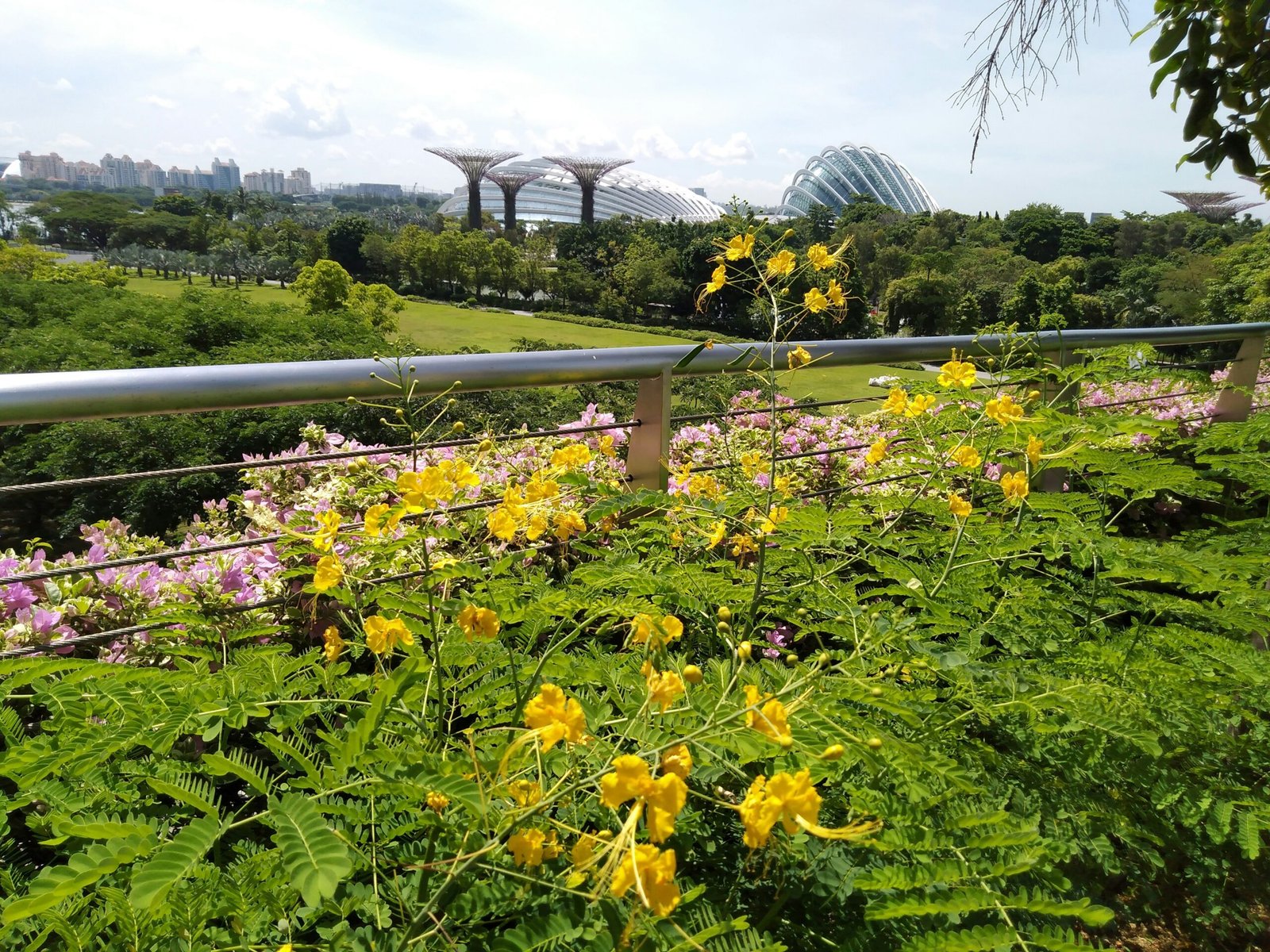
At the heart of urban landscaping trends is the integration of nature with architecture, striving to create harmonious spaces where natural elements coexist seamlessly with built environments. This approach is driven by an increasing awareness of the ecological implications of urban development, pushing city planners and architects to embrace solutions that mitigate environmental impact. Sustainable landscaping practices, such as native planting, green roofs, and rain gardens, are becoming common strategies employed to tackle urban challenges like air quality, biodiversity loss, and heat island effects.
The growing interest in creating green spaces within urban settings underscores the necessity of surveying trends in landscaping. As stakeholders—ranging from city planners to community leaders—focus on the challenges posed by rapid urbanization, understanding future developments in landscaping becomes essential. This entails not only recognizing the aesthetic benefits of landscaping but also grasping its role in climate resilience, social interaction, and public health. By staying informed of emerging trends, stakeholders can implement effective landscaping strategies that cater to the needs of diverse communities, ensuring a balanced and vibrant urban ecosystem.
In summary, the interplay of urban landscaping and city planning is more critical than ever in shaping the cities of the future. The integration of sustainable practices and aesthetic considerations will pave the way for communities that are not only livable but also conducive to a thriving urban environment.
Key Trends in Urban Landscaping for 2025
As we look forward to 2025, urban landscaping is poised to undergo significant transformations that reflect a growing awareness of environmental sustainability and the need for enhanced livability in urban areas. One of the most notable trends is the rise of green infrastructure, which encompasses the installation of green roofs and vertical gardens. These elements not only promote cooling in densely populated areas but also contribute to improved air quality and enhanced biodiversity. Urban planners are increasingly recognizing that integrating natural elements into the urban environment can substantially mitigate the effects of climate change.
Another critical trend is the incorporation of smart technology in landscape design. The integration of Internet of Things (IoT) devices will allow for better monitoring and management of urban spaces. For instance, smart irrigation systems can optimize water usage in parks and gardens, while sensors can provide real-time data on soil moisture and health, thereby promoting efficient resource management. This technological advancement helps create sustainable ecosystems that adapt with the changing urban landscape.
Furthermore, the emphasis on biodiversity and native planting schemes continues to gain traction. By prioritizing native species, cities can enhance their resilience to pests and diseases while supporting local wildlife. This shift towards biodiversity reflects a broader appreciation for ecological balance and the role of native flora in maintaining healthy ecosystems.
In addition, the growing interest in urban farming practices will shape urban landscapes in the coming years. Implementing community gardens and urban agriculture initiatives can significantly reduce food miles, provide fresh produce to urban dwellers, and foster community engagement. Coupled with innovative public space designs, these practices can rejuvenate neighborhoods and enhance social interactions among residents.
Overall, the future of urban landscaping points toward integrating green infrastructure, smart technology, and sustainable practices, ultimately fostering more resilient, livable cities.
Impact of Urban Landscaping on Communities
Urban landscaping plays a pivotal role in shaping the fabric of communities by offering a wide array of social, economic, and environmental benefits. The trends observed in urban landscaping have been shown to significantly enhance mental health and well-being among residents. For instance, green spaces such as parks and community gardens provide not only areas for relaxation but also opportunities for physical activity and social interaction. Engaging with natural elements has been linked to reduced stress levels and improved overall mental health.
Moreover, well-designed urban landscapes contribute to increased property values in surrounding areas. More people are drawn to neighborhoods that emphasize green spaces and aesthetically pleasing environments, leading to a rise in demand for homes in those locations. This trend benefits local economies as higher property values can enhance tax revenues, which can then be reinvested into community services and infrastructure.
From an ecological perspective, urban landscaping initiatives support enhanced ecological health. These efforts can mitigate the urban heat island effect, improve air quality, and promote biodiversity. For example, integrating native plants into urban environments has proved beneficial, as these plants require less water and provide habitats for local wildlife. Cities that adopt such landscaping strategies can position themselves as leaders in sustainability while fostering resilience against climate change impacts.
Successful case studies, such as New York City’s High Line or the transformation of spaces in Medellín, Colombia, demonstrate how participatory design approaches can harness community involvement. These projects actively engage residents in envisioning and shaping their landscapes, ensuring that the final designs reflect local values and needs. This collaboration fosters a sense of ownership among community members, further solidifying the positive social impact of urban landscapes.
Looking Ahead: The Future of Urban Landscaping
The future of urban landscaping is poised to undergo significant transformations driven by various challenges, including climate change and rapid urbanization. As cities expand and populations grow, it becomes increasingly crucial to adapt landscaping practices to ensure sustainability and resilience. One key focus will be on the incorporation of green infrastructure, which promotes biodiversity and helps mitigate the urban heat island effect. This approach involves utilizing native plants, rain gardens, and green roofs to create ecosystems that support local wildlife while enhancing the aesthetics of urban spaces.
Moreover, urban landscaping must address the pressing issue of climate change. This adaptation may necessitate the development of landscape designs resilient to extreme weather patterns. For instance, integrating permeable surfaces can facilitate better water management, reducing runoff during heavy rainfall while maintaining soil health. Likewise, selecting drought-resistant plant species will be essential as cities grapple with potential water shortages. These adaptive strategies are not merely reactive; they reflect a growing commitment to sustainable practices that nurture both the environment and community well-being.
Inclusive urban landscaping also emerges as a crucial element of future development. Engaging communities in the landscaping process creates spaces that reflect their unique cultural identities and promote social cohesion. Consideration of accessibility in urban environments ensures that all residents can enjoy and benefit from green spaces. By fostering dialogue among stakeholders—urban planners, residents, and environmental organizations—cities can cultivate landscapes that enhance quality of life and promote equity.
Encouraging ongoing conversations about the role of urban landscaping is vital for fostering vibrant communities. By envisioning ideal urban landscapes, we can develop innovative strategies that balance needs for green spaces and urban development. Hence, the future of urban landscaping demands collaborative efforts, focusing on sustainable practices, resilience to climate challenges, and a commitment to inclusivity to thrive in evolving urban contexts.