









Introduction to Heavy Machinery Usage Trends
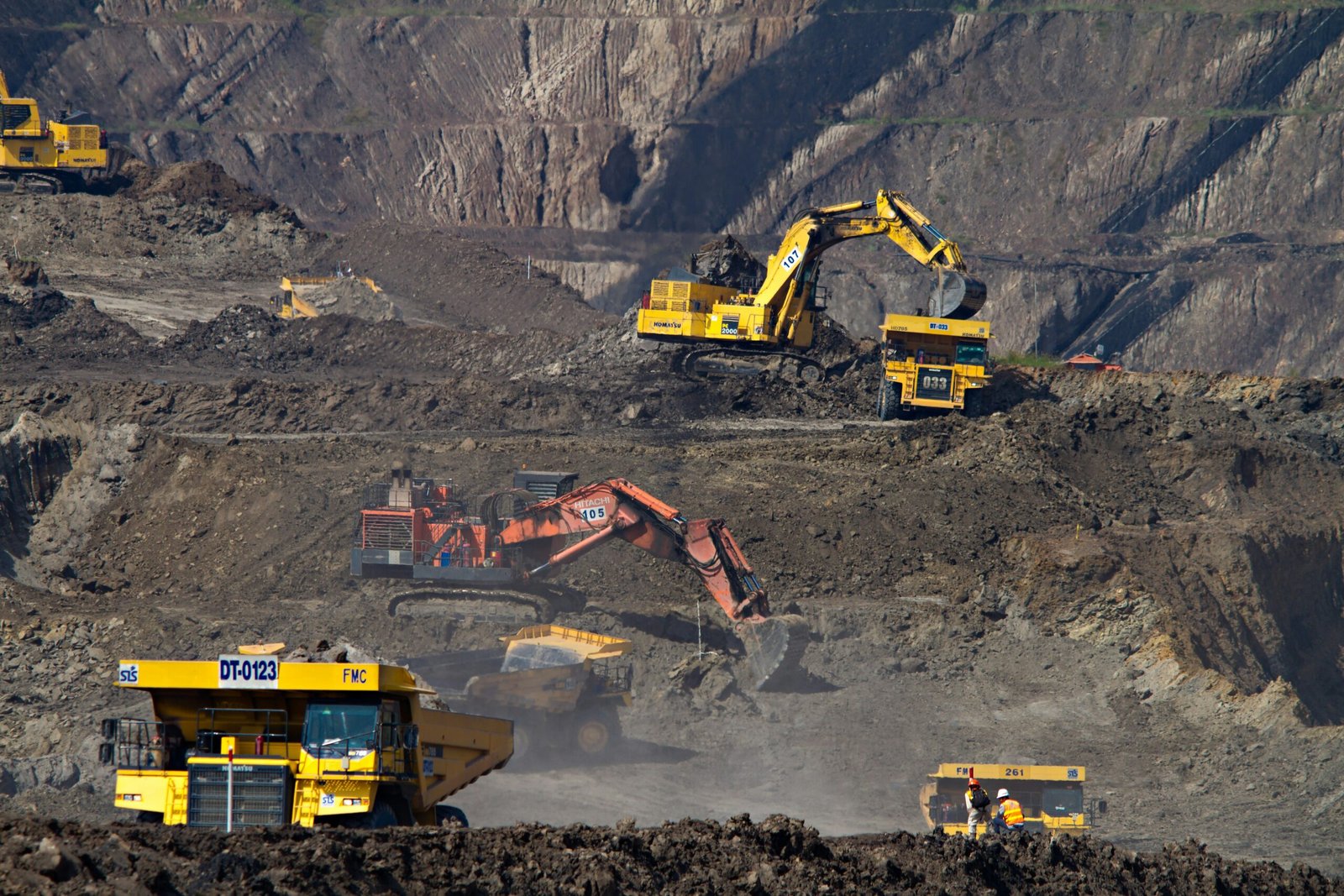
The heavy machinery industry plays a crucial role in various sectors, including construction, mining, and agriculture. As these industries evolve, tracking trends in heavy machinery usage becomes increasingly important. Understanding these trends not only aids in optimizing operations but also helps to anticipate future demands and challenges within the industry. Heavy machinery, which includes equipment such as excavators, bulldozers, and cranes, serves as the backbone of large-scale projects, facilitating efficient construction processes, enhancing productivity in mining operations, and improving agricultural yields.
Monitoring usage trends is particularly vital in a rapidly changing economic landscape. For instance, the construction sector has seen significant fluctuations due to market conditions, with investments in infrastructure rising or falling depending on governmental policies and economic health. Similarly, the mining industry faces challenges from fluctuating commodity prices, necessitating adaptations in equipment usage. The agricultural sector, influenced by advancements in technology and sustainability practices, also showcases shifts in machinery usage patterns. Each of these sectors not only contributes independently to the overall economy but also interrelates with others, influencing demand for heavy machinery.
In this context, conducting a comprehensive survey to capture data on heavy machinery usage trends is essential. The survey aims to gather valuable insights from multiple key sectors, investigating aspects such as equipment preferences, frequency of usage, and the impact of technological innovations. By analyzing the collected data, stakeholders can better understand current trends, which can subsequently inform strategic decision-making processes. This foundational understanding will ensure that the heavy machinery industry adapits effectively to the evolving landscape, ensuring sustained economic growth and operational efficiency.
Current Trends in Heavy Machinery Usage
The heavy machinery industry is currently experiencing significant changes as indicated by recent survey insights. A notable trend is the increasing preference for advanced machinery types, particularly those that incorporate automation and hybrid technologies. Companies are gravitating towards equipment that not only enhances productivity but also reduces operational costs and environmental impact. This shift is largely driven by the growing recognition of sustainability within the sector, prompting a rise in the adoption of eco-friendly machines that utilize alternative fuels and energy-efficient features.
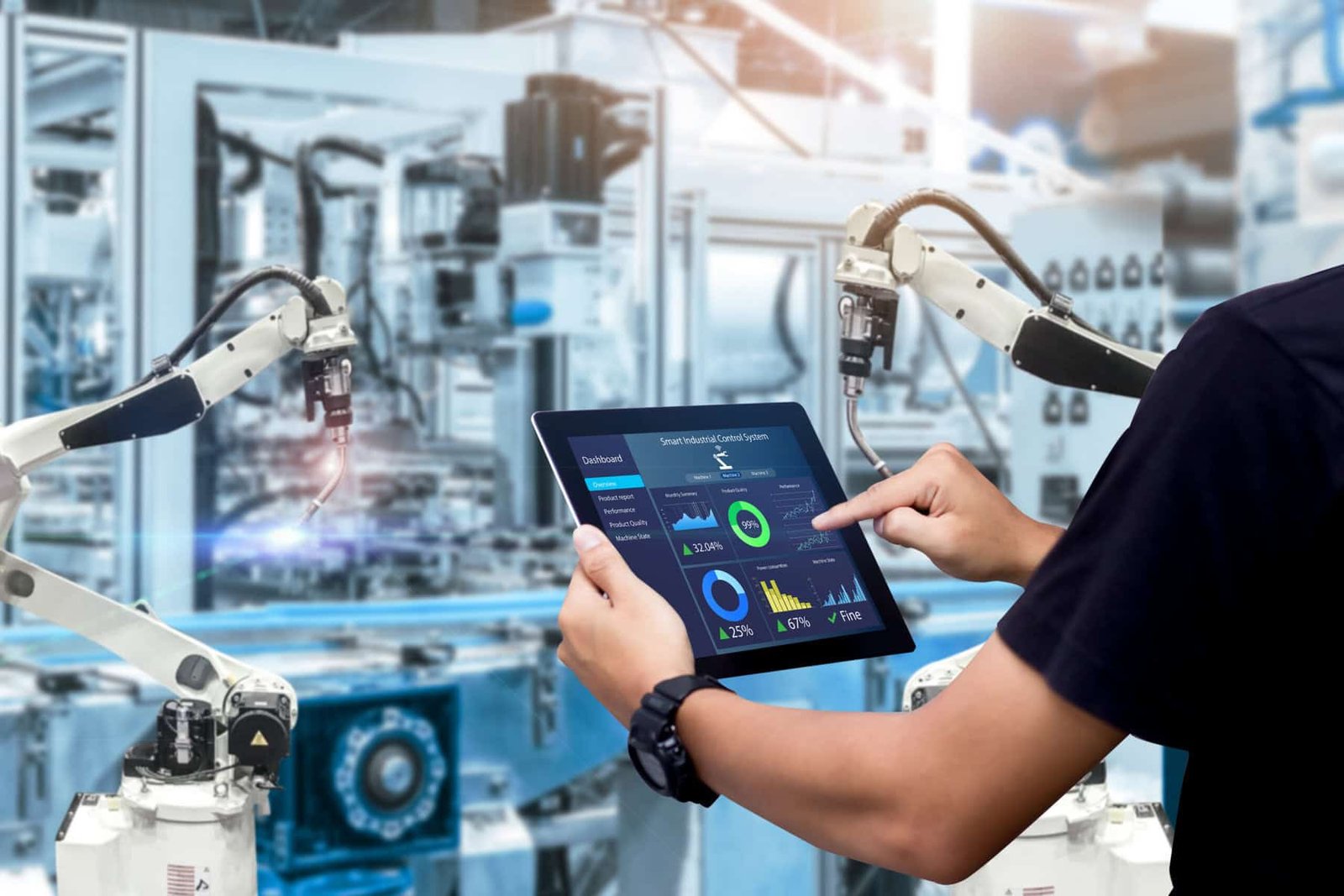
Technological advancements have transformed traditional operations in the heavy machinery market. The integration of automation has emerged as a critical trend, allowing for improved precision and operational efficiency. Manufacturers are increasingly developing machinery equipped with advanced sensors and AI capabilities, enabling real-time data analysis and predictive maintenance. This evolution in machinery suggests a move towards a more connected and smarter operational framework, which can lead to greater overall reliability and safety on job sites.
Shifts in hiring practices have also been observed, with companies prioritizing skill sets related to technology and data management. As machinery becomes more sophisticated, the demand for skilled operators who can effectively manage these advanced systems is growing. Additionally, various regions are witnessing distinct patterns in machinery usage, influenced by factors such as labor availability and economic conditions. For instance, areas facing labor shortages may accelerate the transition towards automated solutions, whereas regions with abundant labor may still rely more on traditional machinery.
Environmental regulations are further shaping operational strategies in the heavy machinery sector. Compliance with stricter regulations encourages companies to invest in more efficient and cleaner technologies. Consequently, the industry is poised for continuous evolution, adapting to external pressures while simultaneously enhancing operational capabilities.
Implications for the Heavy Machinery Industry
The trends identified in the heavy machinery sector for 2023 carry significant implications for manufacturers, suppliers, and operators alike. As the industry experiences a shift towards automation, advanced technology, and sustainability, stakeholders must adapt their strategies to remain competitive in an evolving market. For manufacturers, this means prioritizing product development that incorporates advanced technologies such as telematics, IoT, and robotics. By integrating these innovations, manufacturers can enhance machinery efficiency, reduce operational downtime, and ultimately meet the growing demand for smarter equipment.
Furthermore, the marketing strategies employed by manufacturers and suppliers must also evolve. With increasing environmental awareness among customers, communications should emphasize sustainability and energy efficiency features. Highlighting the life cycle impacts of machinery can help attract environmentally conscious clients. Additionally, adapting to new market demands may require a shift in supply chain management strategies. Suppliers must ensure that their logistics and purchasing processes are agile enough to accommodate fluctuations in material availability and market pricing influenced by global supply chains.
Operators, too, must undergo substantial training to harness the full potential of the new technologies being introduced. Emphasizing continued education on new machinery operation and maintenance will be vital in maximizing performance and safety on job sites. Moreover, investments in training programs will contribute to a more skilled workforce, enhancing job satisfaction and retention rates.
Looking ahead, the implications of these trends could lead to increased investments in research and development, fostering a culture of innovation within the heavy machinery industry. By embracing technological advancements and adapting to shifting consumer preferences, stakeholders will be better positioned to thrive in an increasingly competitive landscape. Recognizing these dynamics and responding proactively will be essential to capitalize on the growth opportunities that lie ahead in the industry.
Conclusion and Future Outlook
As we delve into the key findings from the survey on heavy machinery usage trends for 2023, it becomes evident that the sector is undergoing significant changes. The responses collected indicate a growing interest in adopting advanced technologies, including automation and robotics, which streamlines operations and enhances productivity. Industry professionals are recognizing the value of these innovations in facilitating efficient workflows, as well as in achieving competitive advantages in a fast-evolving market.
In addition to technological advancements, sustainability concerns are increasingly shaping the direction of heavy machinery usage. There is a clear trend towards utilizing eco-friendly equipment and practices that reduce environmental impact. As regulations become stricter and public awareness grows, organizations are compelled to invest in greener machinery options and sustainable operational processes. This shift not only addresses regulatory requirements but also resonates with a socially conscious consumer base, potentially boosting brand reputation and market share.
The economic dynamics also play a crucial role in shaping the future landscape of this industry. Fluctuations in material costs, supply chain disruptions, and global economic conditions will necessitate adaptable strategies among industry stakeholders. By keeping an eye on these factors, professionals can better prepare for both challenges and opportunities that lie ahead.
To ensure ongoing success in the field of heavy machinery, industry professionals should prioritize staying informed about emerging technologies and sustainability practices. Engaging in continuous education and networking within the sector can equip individuals and organizations with the necessary tools to navigate potential changes. Maintaining flexibility and a proactive approach will be key to thriving in the face of evolving trends in heavy machinery usage.