









Introduction to Renewable Power Generation
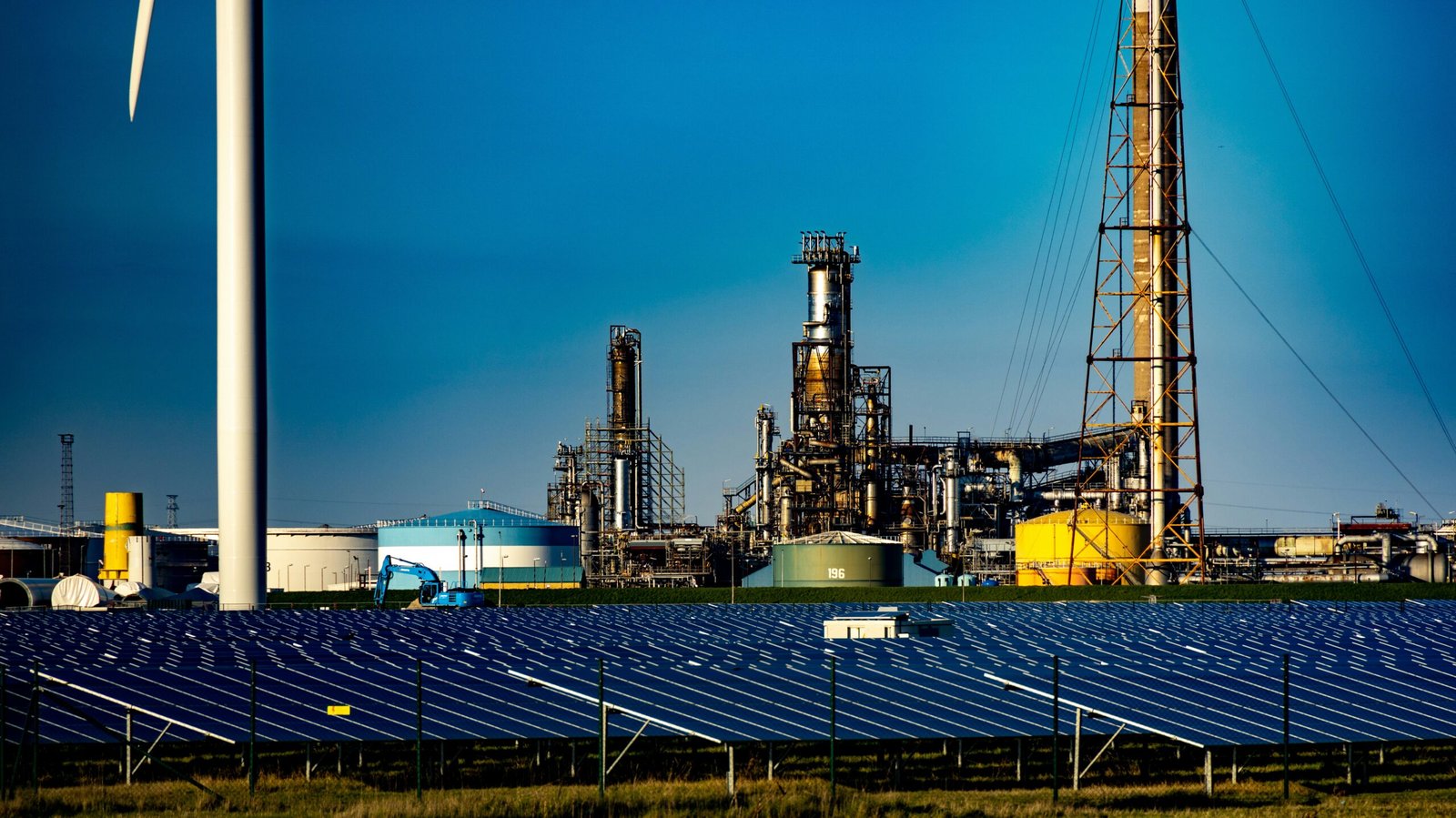
Renewable power generation plays a pivotal role in the transition towards sustainable energy sources, reflecting a commitment to reducing carbon emissions and combating climate change. The increased emphasis on renewable energy stems from the pressing need to mitigate environmental issues linked to traditional fossil fuel use. Various sources of renewable energy, including solar, wind, hydro, and biomass, contribute to a diversified energy portfolio aimed at reducing our carbon footprint.
Solar power harnesses sunlight through photovoltaic cells, converting it into electricity. This method is particularly advantageous due to its scalability, capable of powering everything from small devices to large urban infrastructures. Wind energy, conversely, utilizes the kinetic energy generated by wind currents, which drives turbine blades and creates power. Wind farms can be set up onshore or offshore, offering flexibility in location and minimizing land-use conflicts.
Hydroelectric power generation exploits flowing water to produce energy, often resulting in consistent output. Dams and river systems are commonly employed to capture the energy from water flow, although ecological considerations must be taken into account to maintain biodiversity. Lastly, biomass energy originates from organic materials, such as plant matter and animal waste, which can be converted into biofuels or directly combusted for heat and power. Biomass not only helps in waste management but also in reducing reliance on fossil fuels.
As the demand for renewable energy surges, the importance of accurate forecasting emerges as a critical factor in enhancing the efficiency and reliability of these energy sources. Effective forecasting can determine optimal energy production levels, align supply with demand, and enable better grid management. This is where artificial intelligence becomes instrumental, providing advanced analytical capabilities to enhance forecasting models across various renewable power generation sectors.
The Role of AI in Forecasting Energy Production
Artificial Intelligence (AI) has become instrumental in enhancing the precision of energy production forecasts, particularly within the realm of renewable resources like solar and wind power. By leveraging advanced techniques such as machine learning algorithms and neural networks, AI systems can process vast amounts of historical data alongside real-time inputs, such as meteorological forecasts and grid status, to refine predictions of energy output. This capability not only improves forecasting accuracy but also optimizes operational efficiency.
Machine learning algorithms analyze historical energy production data to identify patterns and correlations that might elude traditional forecasting methods. For instance, by examining variables such as temperature, wind speeds, and solar irradiance, these algorithms can build predictive models that adjust to changing environmental conditions. This adaptability is crucial for renewable sectors, where the intermittency of resources can significantly impact reliability and supply. Neural networks further enhance this process by simulating complex relationships within the data, capturing nonlinear dependencies that are common in environmental systems.
Numerous case studies highlight the successful application of AI in different renewable sectors. One such example is a solar power plant that employed a machine learning algorithm to analyze geographical and climatic data, resulting in improved forecasting accuracy. The implementation of these AI-driven forecasts reduced operational costs and increased energy efficiency, showcasing the transformative potential of AI technologies. Similarly, wind farms utilizing AI-based prediction models have reported enhanced performance by better aligning energy production with grid demand and minimizing waste.
Through the integration of AI in forecasting methodologies, stakeholders in the renewable energy sector can gain critical insights, driving informed decision-making and ultimately achieving more sustainable energy management. Future advancements in AI promises to further refine these techniques, enhancing the resilience and efficiency of renewable energy systems across the globe.
Challenges and Limitations of AI in Renewable Energy Forecasting
The integration of Artificial Intelligence (AI) in renewable energy forecasting presents a range of challenges and limitations that must be meticulously addressed to ensure optimal application. One prominent challenge lies in the quality and availability of data. Reliable forecasting relies heavily on accurate historical data related to weather conditions, energy production, and consumption patterns. However, many renewable energy sources, such as solar and wind, are subject to fluctuations and anomalies that can distort data quality. Inconsistent or incomplete datasets can lead to erroneous predictions, resulting in inefficiencies in energy management.
Another significant limitation pertains to the complexities involved in model training. AI models, particularly those based on machine learning, require substantial amounts of high-quality data to effectively learn and generalize from patterns. The training process can be hindered by the evolving nature of renewable energy systems, necessitating continuous adjustments and retraining of models to capture changing environmental dynamics. Moreover, the risk of overfitting models to historical data is ever-present, which can compromise the model’s ability to accurately predict future outcomes.
The inherent variability of renewable energy sources poses additional challenges. Weather conditions impact energy generation rates, which can change unexpectedly, making it difficult for AI models to maintain accuracy over time. This variability highlights the importance of incorporating comprehensive algorithms that can adapt to sudden changes in energy generation while factoring in uncertainties.
Furthermore, ethical considerations surrounding the use of AI in decision-making processes must not be overlooked. Transparency in AI systems is crucial to foster trust among stakeholders; thus, there is a pressing need for clear methodologies that elucidate how AI-generated forecasts are derived. Addressing these challenges will be essential for maximizing the benefits of AI in renewable energy forecasting, ensuring that systems remain effective, reliable, and ethical.
Future Trends and Innovations in AI-Driven Forecasting
The future of artificial intelligence (AI) in renewable power generation forecasting is poised for transformative growth, driven by the convergence of several emerging technologies. One significant area of development is the integration of the Internet of Things (IoT). By connecting a multitude of sensors and devices in renewable energy systems, data can be collected in real time from various sources, including solar panels, wind turbines, and energy storage units. This data provides invaluable insights, enabling AI algorithms to analyze patterns and predict power generation with unprecedented accuracy.
In addition to IoT, advanced analytics is set to play a critical role in enhancing forecasting methods. Machine learning algorithms, which are a subset of AI, can continually learn from new data inputs, adapting to changing environmental conditions and operational constraints. These algorithms can improve their predictive capabilities by identifying trends and anomalies that traditional forecasting methods may overlook. This dynamic approach can lead to more reliable forecasts, which are essential for energy grid operators and market participants looking to optimize their energy portfolios.
Furthermore, the development of smarter grid systems, characterized by enhanced communication and automation capabilities, will significantly impact how renewable energy is managed. With AI-driven tools, grid systems can dynamically respond to fluctuations in renewable energy supply and demand, facilitating improved load balancing and energy distribution. This capability can enhance the integration of intermittent renewable sources, such as solar and wind, into the traditional energy grid, enabling a more resilient and sustainable energy framework.
As AI techniques continue to evolve, the potential to improve forecasting accuracy grows. Innovations such as deep learning and neural networks can process vast amounts of data to generate insights and predictions that guide decision-making in real time. This evolution is crucial for the energy market, where understanding future energy generation patterns is essential for effective planning and resource allocation.