






Brent

Embracing Agile IT Management in Enterprises

Introduction to Agile IT Management Agile IT Management has emerged as a crucial approach for enterprises in today’s fast-paced business landscape. Originating from Agile methodologies, primarily utilized in software development, Agile IT Management extends these principles to enhance operational efficiency and responsiveness in IT departments. The core tenet of Agile is to embrace change and…

Read More

Hybrid Cloud vs Multi-Cloud Infrastructure: Understanding the Key Differences

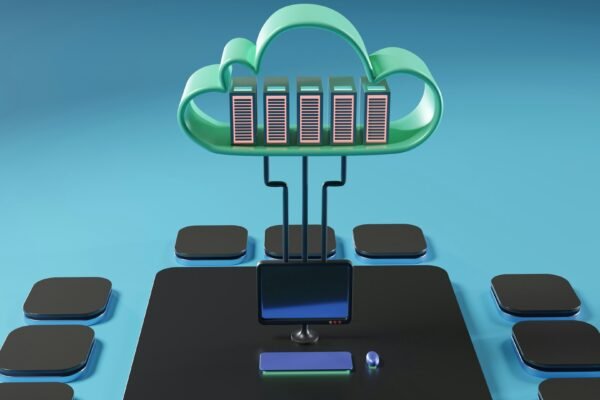
Introduction to Cloud Computing Cloud computing has transformed the way organizations manage their information technology resources. At its core, cloud computing refers to the delivery of various services—including storage, processing power, and software—over the internet, often referred to as “the cloud.” By leveraging cloud technology, businesses can access and utilize these resources without the need…

Read More

AI-Powered CRM: Beyond Traditional Automation

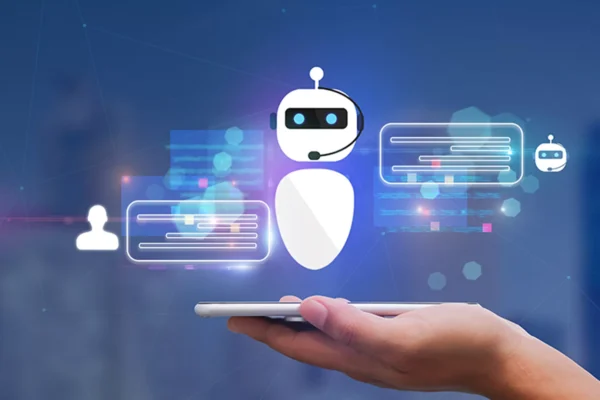
Understanding AI-Powered CRM Systems AI-powered Customer Relationship Management (CRM) systems represent a significant advancement over traditional CRM solutions by incorporating artificial intelligence technologies to enhance functionality and user experience. Unlike conventional systems that primarily focus on data storage and basic automation, AI-powered CRMs leverage predictive analytics, natural language processing, and machine learning to deliver more…

Read More

The Evolution of Low-Code vs No-Code Tools in 2025

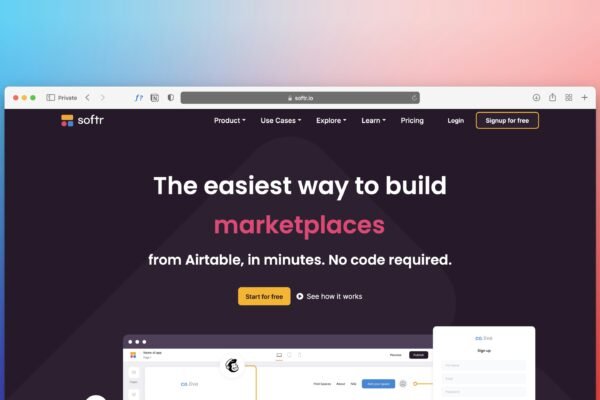
Understanding Low-Code and No-Code: Definitions and Differences Low-code and no-code development platforms have emerged as powerful tools in the software creation landscape. These platforms allow users to design and deploy applications with minimal or no programming knowledge, enabling a broader range of professionals to contribute to app development. While both low-code and no-code tools aim…

Read More

Edge Data Centers: Best Practices for Optimal Performance

Understanding Edge Data Centers Edge data centers represent a significant evolution in the field of data storage and processing, addressing the growing demands of modern digital infrastructure. Defined as smaller, decentralized data centers located closer to the end-users or devices, these facilities are specifically designed to handle data processing and storage in real-time, thus minimizing…

Read More

Unlocking the Future: Most In-Demand Professional Skills for 2025

Introduction to the 2025 Professional Landscape The professional landscape is continuously morphing in response to rapid technological advancements. As we approach 2025, an era marked by globalization and automation, the demand for skills is evolving. Industries are increasingly entangled in a dynamic interdependence that necessitates the constant reevaluation of competencies to remain competitive in the…

Read More

Survey Insights: Candidate Experiences with Virtual Hiring

Understanding Virtual Hiring Virtual hiring refers to the recruitment process that predominantly utilizes digital tools and platforms to evaluate, interview, and hire candidates. Over the past few years, particularly in response to the global pandemic, organizations have increasingly turned to various methods such as video interviews, online assessments, and virtual job fairs. These approaches have…

Read More

Revolutionizing Education: The Rise of AI Tutors

What are AI Tutors? AI tutors represent a significant advancement in educational technology, utilizing artificial intelligence to provide personalized instruction to learners. These innovative systems leverage various algorithms and machine learning techniques to adapt to the unique learning styles and preferences of individual students. By analyzing a student’s performance and engagement, AI tutors can tailor…

Read More